
recycling guides
paper
glass
plastic
metal


PAPER
Fiber is the resource.For recycling, the question is:Can it be recovered ?
Paper is made of fibers that can only be recycled a handful of times.Each time it is recycled, those fibers get shorter until eventually there isn't enough useful fiber to recover.
That's why tissues and paper towels do not belong in the bin. Their fibers have reached the end of their useful life.
Some of these things
don't belong here.
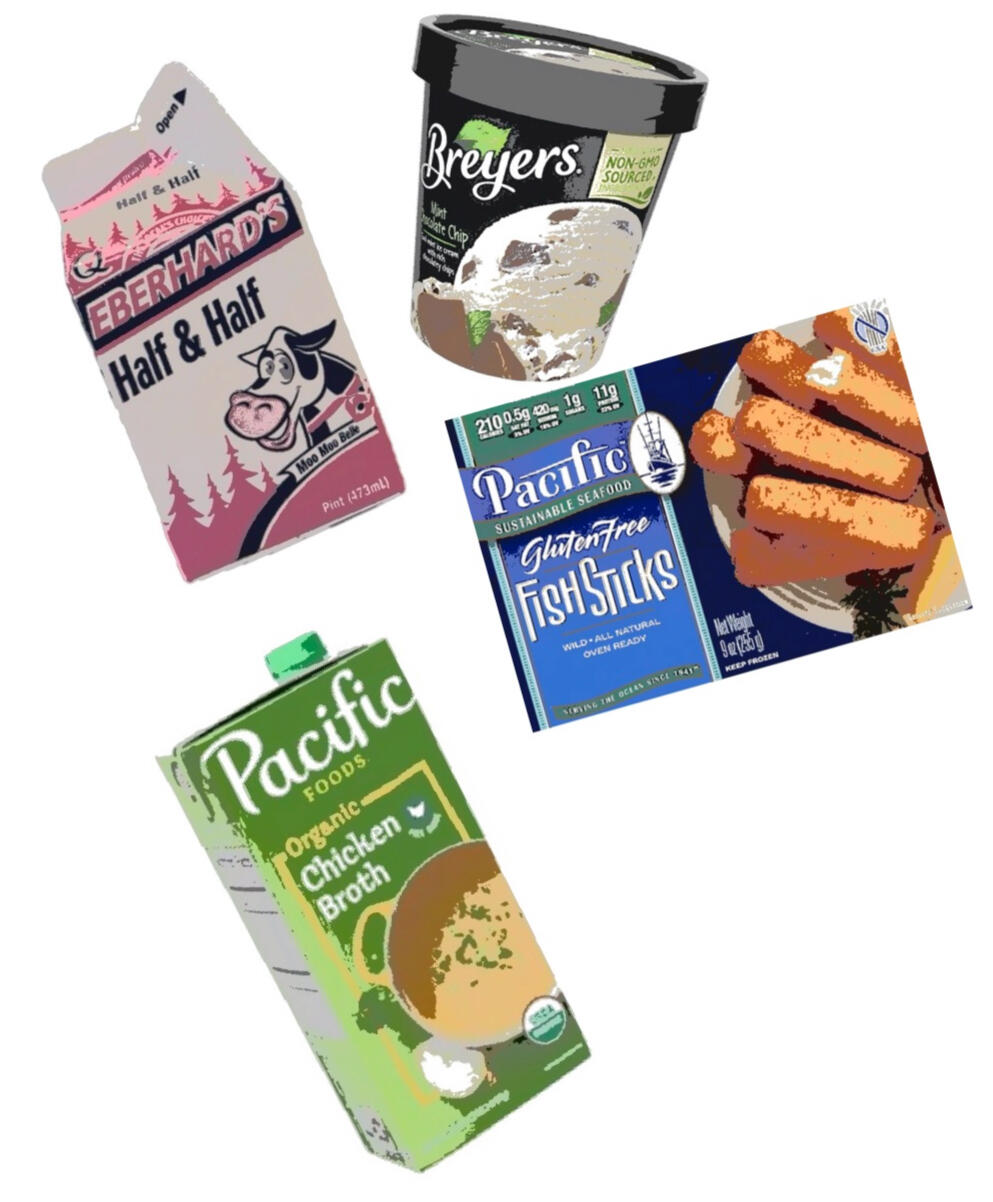
They all
look like paper
keep food fresh
have coatings to keep moisture out
The Difference is the Design
Milk and broth cartons are made in layers, allowing the paper fibers to be separated and recovered during recycling.Most frozen-food packaging is made with coatings or combinations of materials that make the paper fibers difficult to separate and reuse.
Milk & Broth Cartons
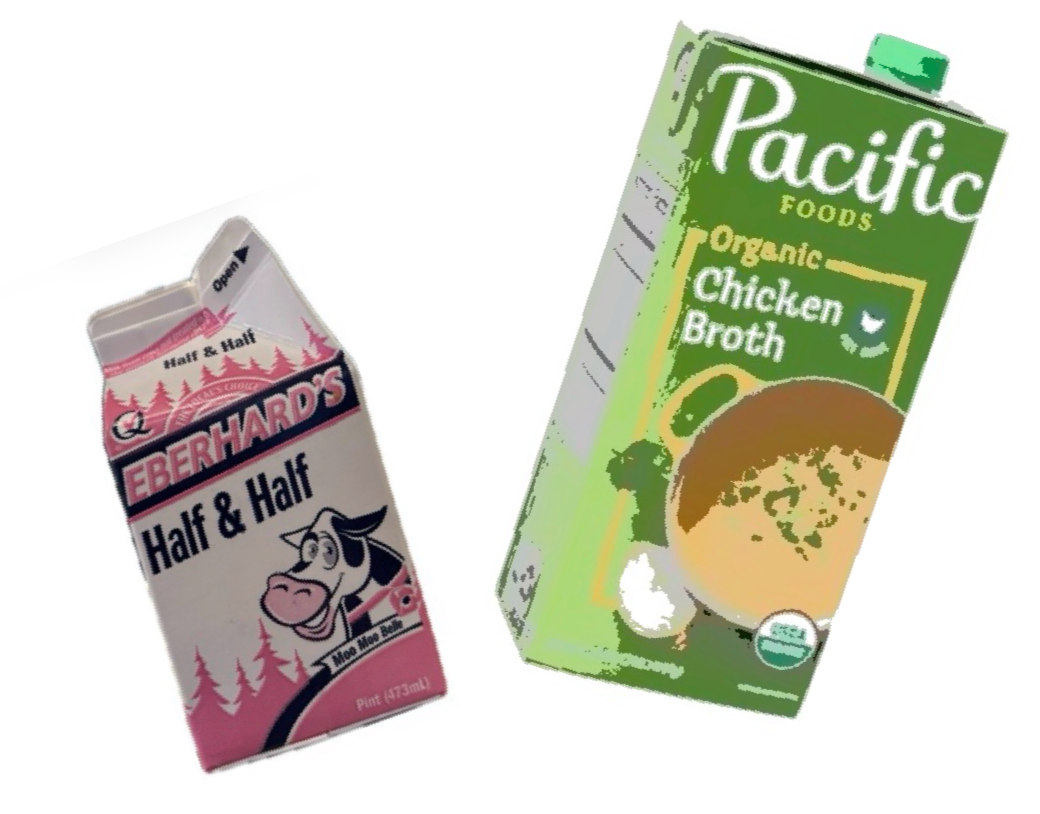
YES
Frozen Food Packaging
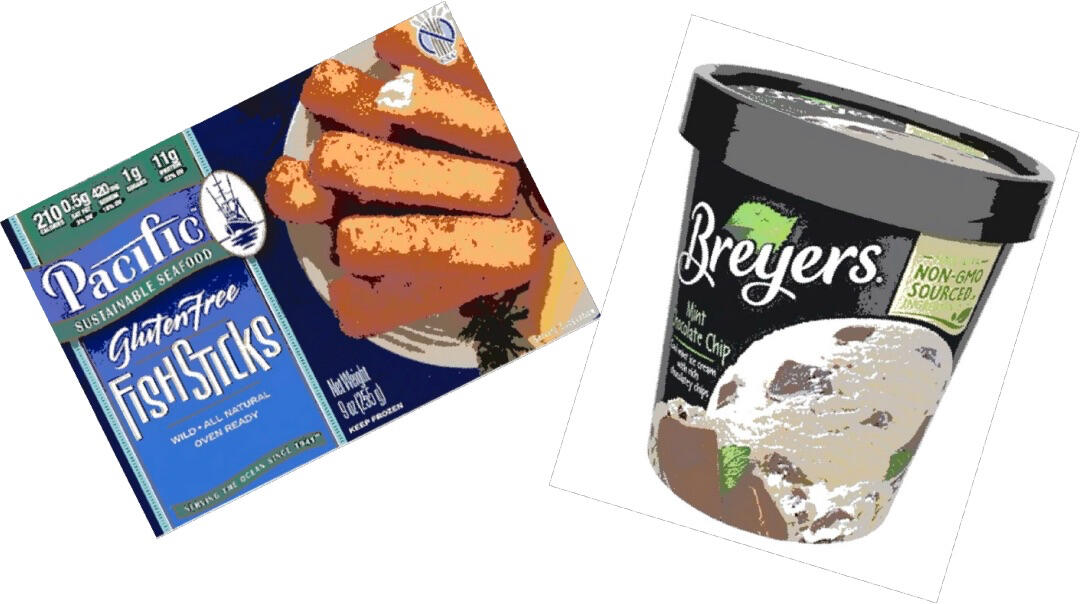
NO

and when in doubt
ask

why frozen-food boxes are different
Part of the answer:
A milk carton and a frozen food box seem to belong together; both are paper-based, and both hold food, but the similarity ends there.The dairy industry has long been tied to schools, public health, and regional identity. Milk, once a part of everyday life, came to symbolize trust. As consumption grew, so did the waste– and with it, the potential for that trust to erode.The dairy industry helped build a coordinated recycling system, working with packaging producers like Tetra Pak to ensure those cartons had a viable afterlife.A milk carton is designed to hold a perishable but relatively stable liquid: it needs protection from light and air, but not from extreme conditions.Its structure addresses those needs. Layers of paper provide rigidity, while thin films of plastic and sometimes aluminum create a protective barrier that delays disintegration. Paper fiber remains the dominant component. With the right infrastructure, those layers can be separated, and the fibers recovered. The packaging is complex but designed to come apart.Frozen food is a different species. Here, the promise is convenience: dinner, ready in under twenty minutes.To deliver that convenience, its packaging must endure freezer to microwave–moisture to heat. To perform under these conditions, it is often treated with polymer coatings or laminated layers that bond tightly to the paper substrate.These layers don’t separate easily. In the pulping process, water and agitation break down the paper into individual fibers. But polymer coatings resist water and remain bonded to some of those fibers. When the plastic is screened out, usable fiber goes with it.The frozen-food industry is also more fragmented. Unlike dairy, it spans everything from vegetables and pizza to ice cream and prepared meals. With so many different requirements, there is no simple path to recyclability.Until recently, the cost of disposal was largely absent from the producer's income statement. A company had to account for what it cost to make the package, fill it, ship it, and sell it–but not what it would cost to deal with that package once it was empty.Recycling is not driven solely by technical possibility; it is shaped by economics.Milk cartons, once processed, can yield fibers that retain value. Frozen food boxes tend to yield less recoverable fiber at a higher processing cost. In a market-driven system, the question is not simply can it be recycled but whether it makes sense to do so.Oregon’s Recycling Modernization Act begins to shift that equation. Producers are increasingly responsible for the end-of-life impacts of their packaging. Materials that are harder to process may carry higher costs than materials that integrate more easily into the system.The difference between a milk carton and a frozen food box, then, is not just about materials.It reflects a system of choices- what industries prioritize, what the infrastructure supports, what costs are accounted for. and what we, as consumers, choose and demand.
🦉 🐍 🐈 🦦 🦊 🦢
Diving Girl, A Portland Icon, repurposed.
Diving Girl adapted from Jantzen's historic Portland iconography– a small piece of our local visual history, repurposed here with appreciation.Jantzen Diving Girl ©/TM. are trademarks of their respective owner. Permission requested.


Toilet paper gets used once
Then we flush it.Americans use an estimated 141 rolls per person each year–about 28 pounds of toilet paper.Most toilet paper sold in the US is still made primarily from new wood fiber.But it doesn't have to be.Toilet paper can be made from recovered paper instead.[In Halsey, Oregon, Georgia-Pacific makes ARIA]( toilet paper from 1005 recycled fiber, primarily office and school paper. It earns an A+ from NDRC's The Issue with Tissue Scorecard.And here is the curious part:It’s difficult for an Oregonian to find it on a supermarket shelf.You can, however, order it on Amazon.
In Halsey, Oregon
Georgia-Pacific employs hundreds of people making toilet paper and paper towels, including ARIA, a three-ply tissue made from 100% recycled fiber and packaged in recycled paper.The mill is growing. Georgia-Pacific announced a $150 million expansion to increase toilet-paper production.Koch, Inc., a privately held company based in Wichita, Kansas, owns Georgia-Pacific.Oregon has the resource.
Oregon has the labor.However, the mill is not locally owned.What toilet paper are Oregonians buying?And where does that money go?